Guarding the Potatoes
One of the simplest ways I have found to explain our real job as behavioural financial advisers has nothing to do with markets, models, or complex simulations. It has everything to do with potatoes.
Imagine a vegetable patch. On day one, the soil is prepared properly. The seed potatoes are chosen carefully, planted at the right depth, spaced correctly, watered, and protected. This is the planning phase. Asset allocation, diversification, costs, tax wrappers, behaviour. Done well, this is where most of the long-term outcome is decided.
Now comes the hard part. Doing nothing.
Potatoes grow underground. You cannot see them. There is no daily feedback loop. You don’t know exactly how they are getting on, and that uncertainty can be deeply uncomfortable. Especially for the type of person who is used to being in control.
So what do people do?
They dig them up to check. They want reassurance. They want certainty. They want to know whether progress is being made. Unfortunately, every time you pull a potato out of the ground to “have a look”, you interrupt the growth process. You damage roots, you stress the plant, and you materially reduce the eventual harvest.
"The first rule of compounding: Never interrupt it unnecessarily" - Charlie Munger
Markets work in much the same way. The real compounding happens quietly, invisibly, and over time. Returns are lumpy. Progress is uneven. Drawdowns are part of the deal. The temptation for clients is to constantly interfere, to react to headlines, to tinker, to check performance too often, or to make changes based on short-term emotion rather than long-term logic.
This is where "behaviour" comes in. This is where we come in.
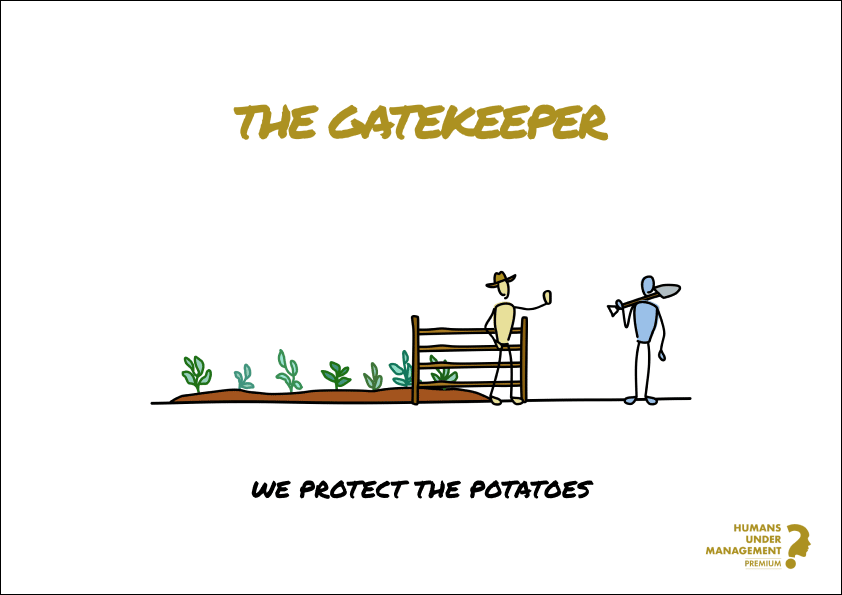
A large part of our role is not picking funds, predicting markets or the economy. It is standing at the gate of the vegetable patch. We are there to protect the potatoes.
Sometimes that means explaining, calmly and repeatedly, why leaving things alone is the right course of action. Sometimes it means stopping clients from charging into the vegetable patch during periods of volatility, spade in hand, convinced something must be wrong because growth cannot be seen yet.
Occasionally, clients will try to sneak in at night. They read an article, hear a podcast, or see a market wobble and decide they need to “just check something”. Our job is to notice, intervene, and guide them back to the original plan.
Good financial planning is boring in the short term but powerful in the long term. The outcome is not improved by constant interference. It is improved by patience, discipline, and good decisions.
We plant the potatoes properly on day one. Then we protect them.
And at harvest time, when the soil is turned over, the results usually speak for themselves.